
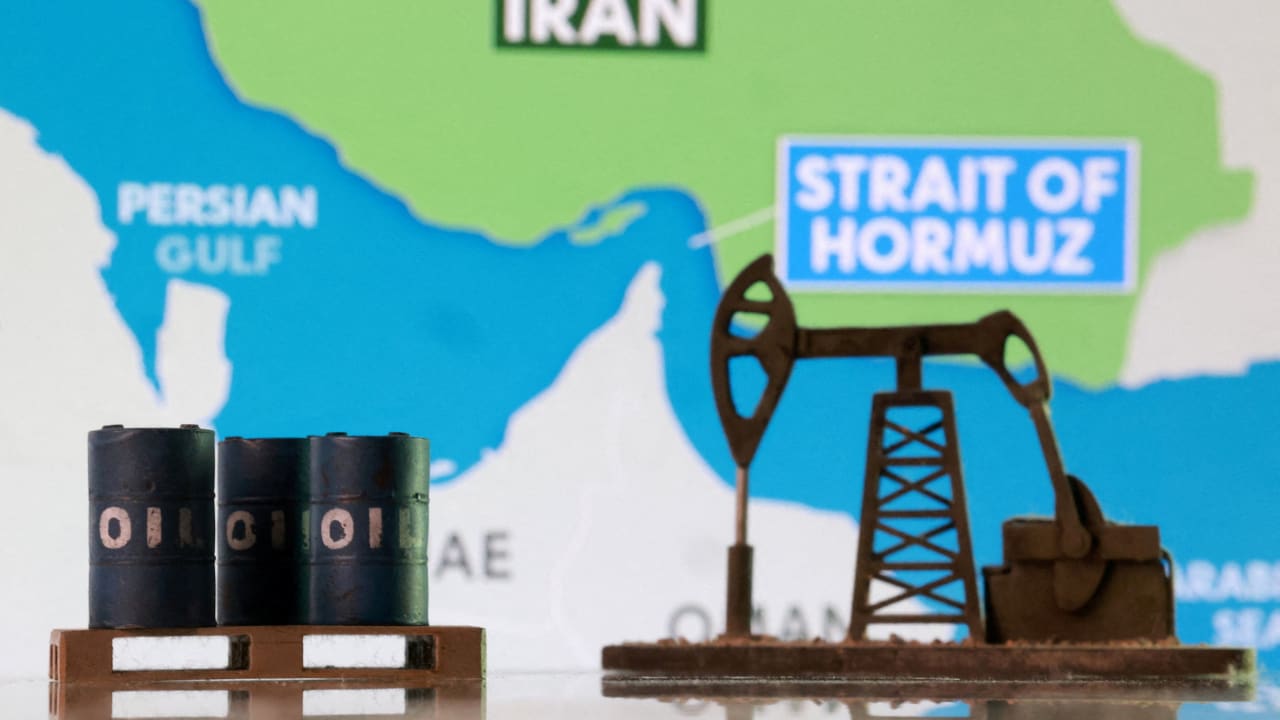
Oil prices maintained their gains during Monday’s trading (Aug 10) as Iran and Oman have yet to reach a final agreement to reopen the Strait of Hormuz. Brent crude hovered around US$84.04 per barrel, while WTI traded in the US$78.53 range.
Iranian Foreign Minister Abbas Araghchi stated that a shipping lane agreement with Oman was “very close.” However, Tehran reiterated that the reopening of Hormuz remains contingent upon the lifting of the US blockade on Iranian shipping and the payment of compensation for war losses.
US President Donald Trump has opted for a more patient approach, stating that Washington is “low-keying it” regarding Iran. This stance has slightly eased fears of an imminent major attack but has not been sufficient to ensure a return to normal energy flows.
The Strait of Hormuz is critical to energy markets, as approximately one-fifth of global oil and gas trade passed through the waterway prior to the conflict. Weak demand from China and the release of emergency reserves had previously helped curb price spikes, but supply buffers are now thinning.
Security risks also remain high. An ADNOC-operated tanker was reportedly targeted again in the Strait of Hormuz, while the Houthi group claimed to have attacked the Jazan refinery in Saudi Arabia. The Saudi government confirmed a fire, though the cause has not yet been explained.
Newsmaker Analysis: Oil prices are likely to remain supported as long as the reopening of Hormuz remains uncertain and attack risks stay high. Brent trading in the US$84 range indicates a strong geopolitical premium. A formal agreement could quickly drive prices down, whereas a breakdown in negotiations or a new attack could push oil prices higher. (arl)
Source: Newsmaker.id