
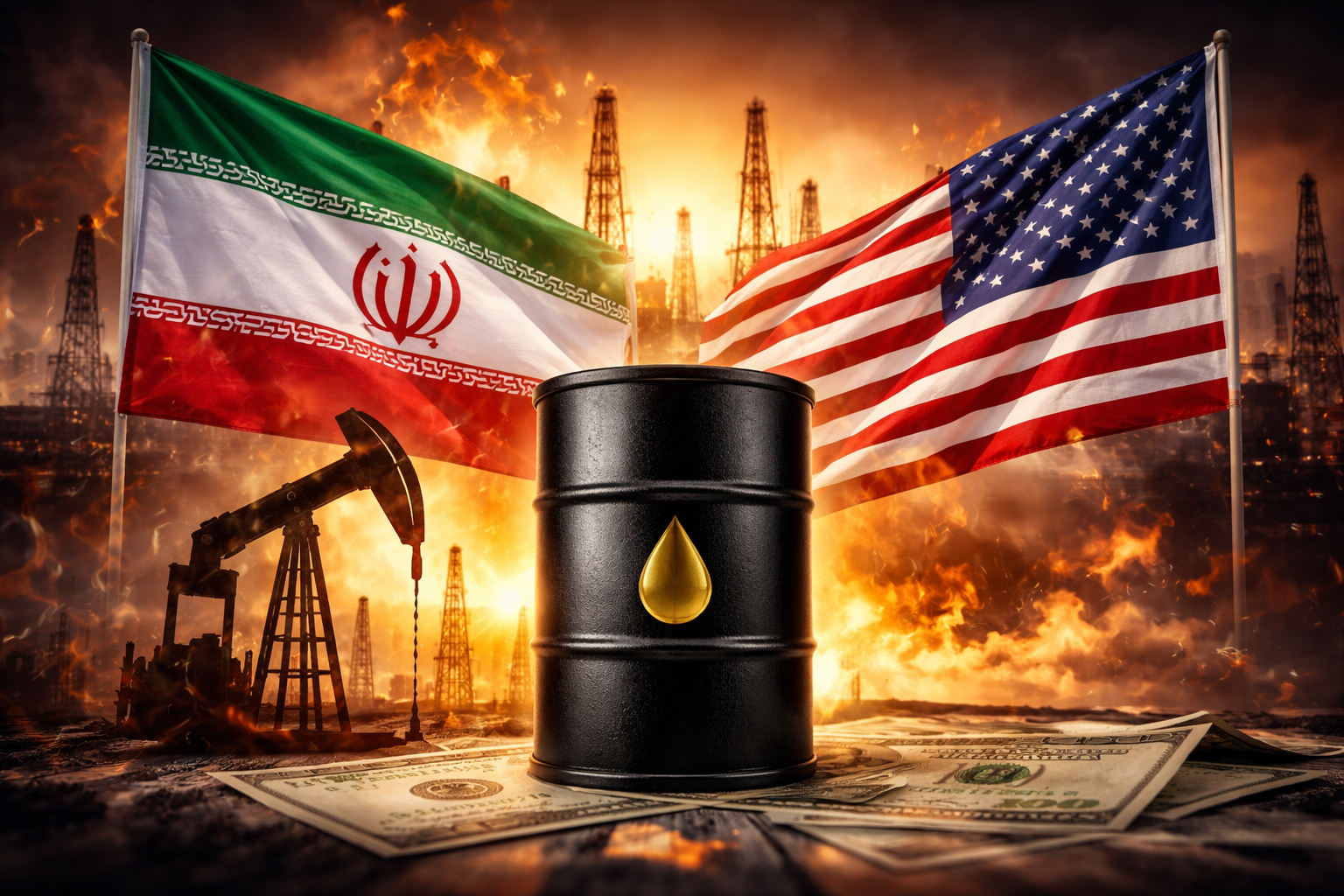
Oil prices are headed for their biggest weekly gain since April as the escalating conflict between the United States and Iran has rekindled concerns about supply disruptions from the Middle East. Brent is approaching US$85 per barrel and could potentially post a weekly gain of nearly 12%, while WTI is rising above US$79 per barrel.
Tensions have escalated after the US launched a fifth consecutive day of attacks on Iran. The attacks followed earlier operations that hit oil tankers near Iran’s main export terminal, raising market concerns about the security of regional energy routes.
Risks have also spread to the Red Sea after Iran reportedly asked Yemen’s Houthi group to close the Bab el-Mandeb waterway if Iranian power infrastructure is targeted. This waterway is crucial as it serves as one of Saudi Arabia’s main oil export routes to global markets.
Oil prices have also been fueled by disruptions in the Strait of Hormuz, a waterway through which about a fifth of global oil flows normally pass. Although some vessels were still seen passing through and transferring oil around Oman, the market remains concerned about the ability of energy shipments to survive amid the ongoing threat of attacks.
Pressure is not only on crude oil, but also on refined products such as gasoline and diesel. Fuel markets in the US and Europe are showing very tight conditions, especially after Russian exports were disrupted by the Ukrainian attack on refineries and the ban on diesel exports from Moscow.
As a result, oil prices have the potential to remain high as long as the risks from Hormuz and Bab el-Mandeb remain unabated. If supply disruptions persist for longer, global inflationary pressures could rise again, forcing central banks to be more cautious in setting interest rates. The market focus is now shifting from the prospect of peace to the ability of shipping lines to continue operating amid security threats. (asd)
Source: Newsmaker.id