
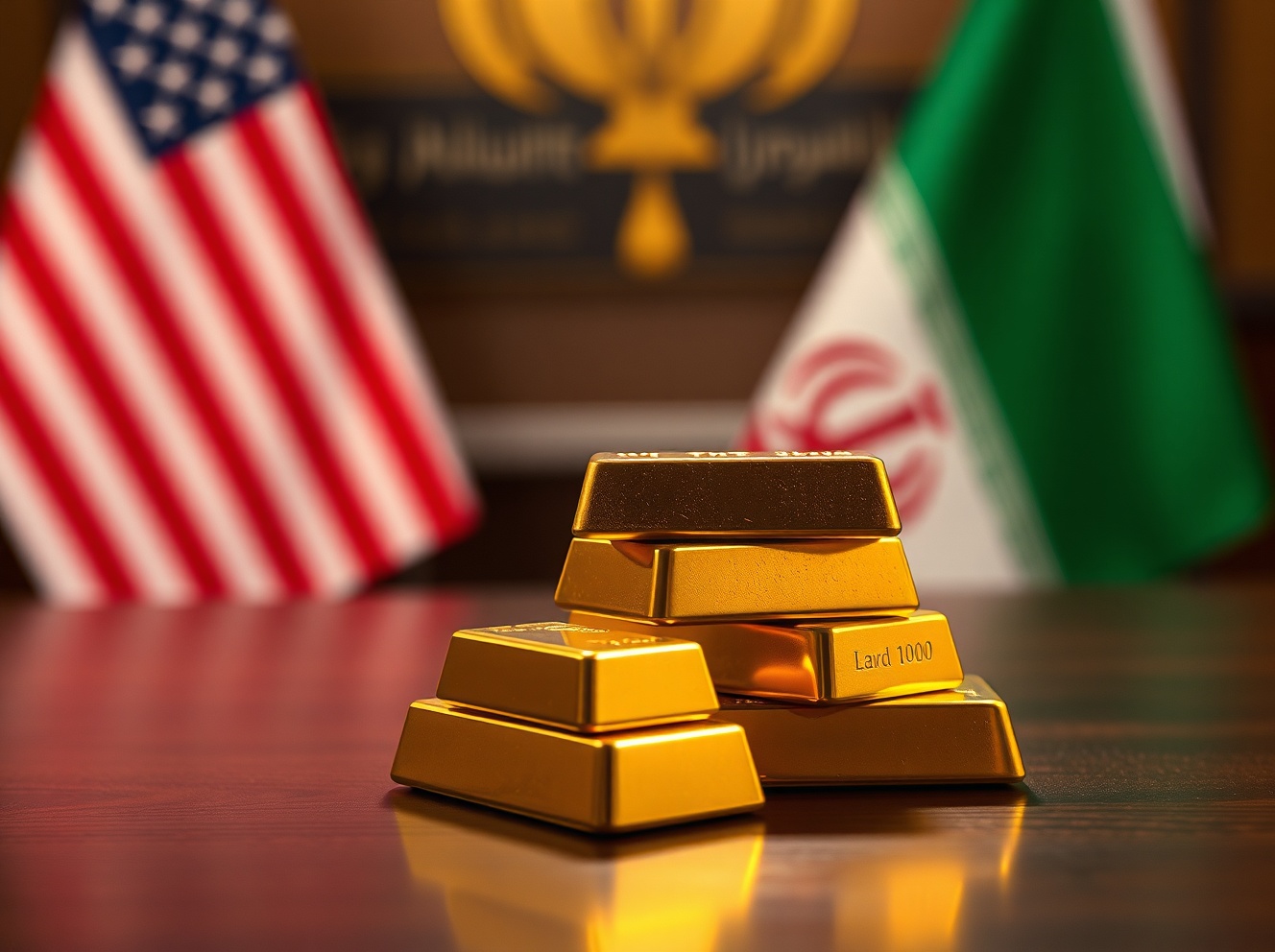
Gold prices held above $4,100 in the first half of European trading on Thursday (July 9). This movement continued its rise from a one-week low, as the US dollar continued to weaken after the FOMC meeting minutes showed no significant hawkish shift.
The minutes of the June 16-17 FOMC meeting showed that Fed officials remained divided on the direction of interest rates. Many meeting participants assessed that the appropriate federal funds rate by the end of this year would be within or slightly below the current target range. However, Fed officials also continued to highlight the risk of persistently high inflation and left open the possibility of policy tightening to bring inflation back to the 2% target.
Despite the previous weak US Nonfarm Payrolls data, the market still expects a 70% chance that the Fed will raise interest rates in September. This condition has limited the weakening of the US dollar and limited the room for gold to strengthen, given that the precious metal does not provide a yield.
From a geopolitical perspective, US-Iran tensions have again become a major market concern. The US military launched new strikes against Iran in response to Tehran’s attacks on merchant ships in the Strait of Hormuz. Iran then retaliated by targeting US military installations and assets in Bahrain and Kuwait. US President Donald Trump also declared that the ceasefire with Iran is now over.
From a market analyst perspective, the combination of inflation risks, expectations of interest rate hikes, and Middle East tensions means that gold’s recovery could remain limited. The market now awaits US weekly jobless claims data and statements from several FOMC officials to gauge the direction of the US dollar.
However, the primary focus remains on the Middle East conflict, which has the potential to increase global market volatility and create opportunities for new movements in gold prices.
Source: Newsmaker.id