
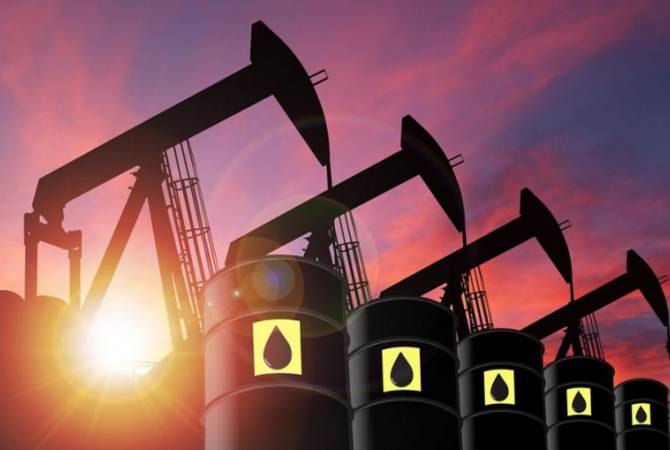
Oil prices stabilized after Israel and Iran declared they would halt attacks on each other following an escalation that had threatened negotiations to end the Middle East war. Brent held around US$94/barrel, while WTI hovered above US$91/barrel, reflecting a slightly calmer market, but not yet completely rid of the risk premium.
Israeli Prime Minister Benjamin Netanyahu said his country was holding fire on Iran for now but would respond if Iran attacks again. Iranian media echoed similar sentiments, leading the market to perceive a short-term de-escalation signal. US President Donald Trump had previously called for a de-escalation of tensions to prevent diplomatic channels from being cut off again.
Despite the easing of attacks, the core supply issue remains unresolved. The Strait of Hormuz remains effectively closed due to a dual blockade by Tehran and Washington, hindering the flow of crude oil, petroleum products, and gas to global markets. This situation makes it difficult for oil prices to decline significantly, even if military tensions temporarily ease.
Regional risks also remain in terms of shipping security. The US military reported that an empty tanker in the Gulf of Oman was disabled after attempting to reach an Iranian port, allegedly violating the blockade. Israel also said it had intercepted suspicious air targets from Yemen, underscoring that the threat is not solely from one front.
Trump said the US is targeting “total victory” within the next two weeks and claimed oil prices will fall once the conflict ends. However, the market believes that restoring oil flows will still take time: mines in Hormuz must be cleared, shut-in fields need months to restart, and energy infrastructure damaged by drones and missiles must be repaired. Therefore, oil movements remain highly dependent on headlines, while market participants await concrete evidence of supply recovery. (Asd)*
Source: Newsmaker.id